menuclose
Shoulder and Sports Medicine

Knee Arthroscopy

Camera-guided knee surgery through small incisions for meniscus tears, loose bodies, cartilage flaps and kneecap problems.
Learn more
Shoulder and Sports Medicine

Cartilage Restoration

Procedures that repair or regrow damaged articular cartilage in the knee, from cell-based restoration to cartilage autograft and allograft transplantation, for focal defects.
Learn more
Shoulder and Sports Medicine

Biologic Treatments

Injections of platelet-rich plasma and related preparations from your own blood or tissue to support healing of tendons and joints, as an alternative or complement to surgery.
Learn more
Shoulder and Sports Medicine

Regenerative Medicine

Evidence-first evaluation of stem cell-based and other biologic treatments for tendon, ligament, cartilage and joint conditions, with honest guidance on what the research supports.
Learn more
Shoulder and Sports Medicine

MCL Reconstruction

Repair or reconstruction of the medial collateral ligament on the inner side of the knee for severe tears, persistent instability and combined ligament injuries.
Learn more
Shoulder and Sports Medicine

MPFL Reconstruction

Reconstruction of the medial patellofemoral ligament with a tendon graft to stop recurrent kneecap dislocations and restore patellar stability.
Learn more
Shoulder and Sports Medicine

Quad and Patellar Tendon Repair

Surgical reattachment of a torn quadriceps or patellar tendon to the kneecap so the knee can straighten and bear weight again.
Learn more
Shoulder and Sports Medicine

Knee Osteotomy

Realignment surgery through the tibia or femur, or repositioning of the tibial tubercle, to unload damaged cartilage, correct kneecap tracking and preserve the natural knee.
Learn more
Shoulder and Sports Medicine

Multi-Ligament Knee Reconstruction

Repair or reconstruction of two or more torn knee ligaments, including the ACL, PCL, MCL, LCL and posterolateral corner, after high-energy injuries and knee dislocations.
Learn more
Shoulder and Sports Medicine

SLAP Repair

Arthroscopic repair of a superior labral tear where the biceps tendon anchors to the shoulder socket, for deep shoulder pain, clicking and overhead symptoms.
Learn more
Shoulder and Sports Medicine

Biceps Tenodesis

Releasing the damaged long head of the biceps tendon from inside the shoulder and anchoring it to the upper arm bone to relieve front-of-shoulder pain while preserving biceps strength.
Learn more
Shoulder and Sports Medicine

AC Joint Surgery

Stabilization or ligament reconstruction of the acromioclavicular joint after a severe shoulder separation, when the collarbone will not stay in place on its own.
Learn more
What it is

Cartilage Restoration

Articular cartilage is the smooth surface that lets the knee glide.
It has almost no blood supply and does not heal on its own. Restoration procedures fill or resurface a defined defect with new tissue.Options range from cell-based cartilage restoration, to transplanting a plug of your own bone and cartilage, to transplanting donor cartilage. Some cell-based treatments require two separate procedures.
Performed by
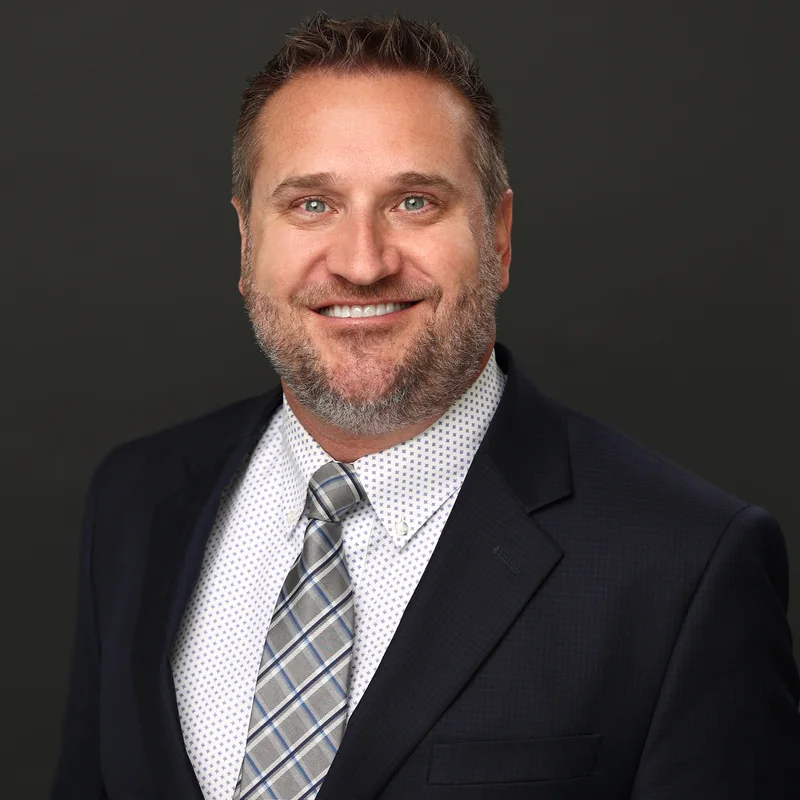
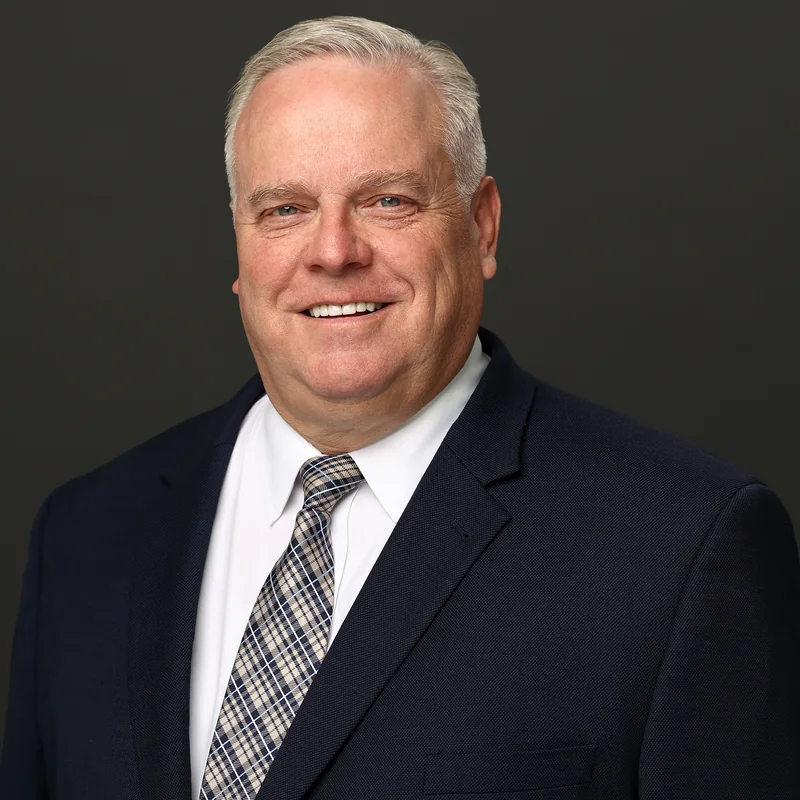
Kevin Christensen, MD, Knee, Shoulder and Sports Medicine surgeon at Ridgeline Orthopedic Specialists
Dr. ChristensenKnee, Shoulder and Sports Medicine
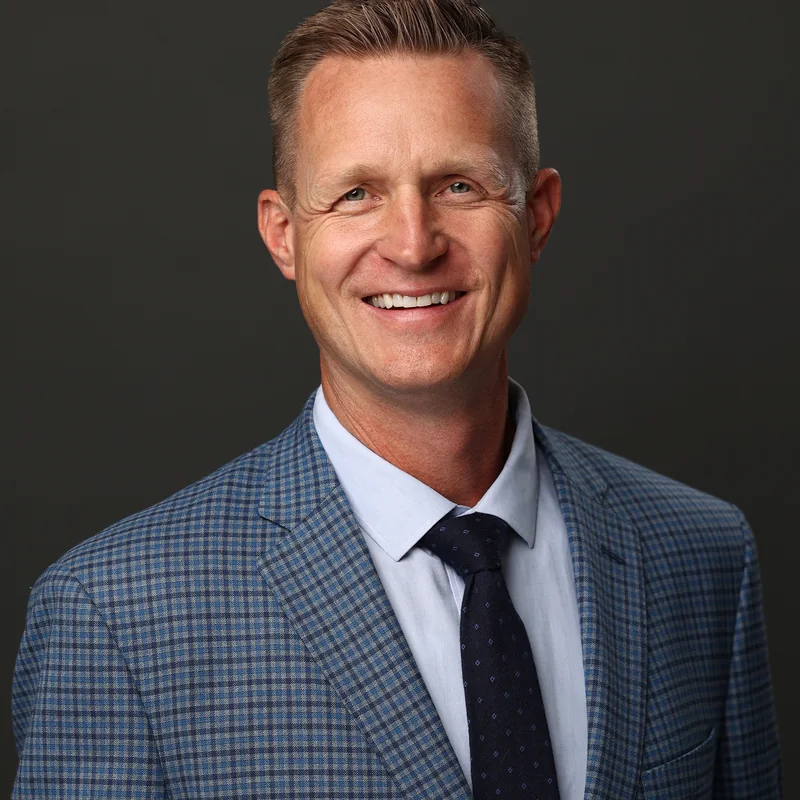
J. Ryan Taylor, MD, Shoulder and Sports Medicine surgeon at Ridgeline Orthopedic Specialists
Dr. TaylorShoulder and Sports Medicine
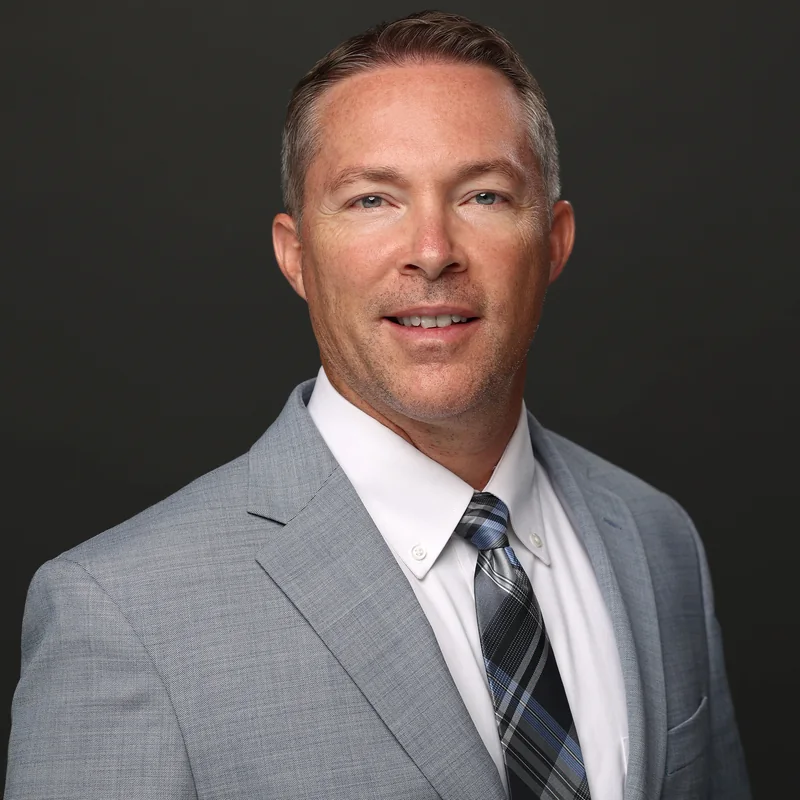
Michael Carlson, MD, Shoulder and Sports Medicine surgeon at Ridgeline Orthopedic Specialists
Dr. CarlsonShoulder and Sports Medicine
Jeffrey Wallentine, MD, Joint Replacement surgeon at Ridgeline Orthopedic Specialists
Dr. WallentineJoint Replacement
Cartilage Restoration

Who It Helps

Cartilage restoration may benefit selected patients with focal cartilage defects causing pain, swelling or activity limitations.Treatment depends on the size and location of the defect, alignment, associated injuries and the health of the surrounding joint.It fits active patients, usually under fifty, with a single well-defined defect in a stable, well-aligned knee, and does not fit widespread arthritis. Your surgeon evaluates alignment, ligament stability and the meniscus alongside the defect, because the repair only lasts in a knee that protects it.
Cartilage Restoration

What to Expect

Most cartilage restoration procedures are performed arthroscopically or through a small incision, typically as outpatient surgery under general anesthesia.Options include cell-based cartilage restoration, cartilage autograft transplantation using your own cartilage, and cartilage allograft transplantation using donor cartilage.Your surgeon will review your MRI and recommend the technique that fits the size, depth and location of the injury, along with your age, activity level and goals.Cell-based cartilage procedures need two stages; both are scheduled locally and therapy runs through a Utah Valley physical therapist you choose. Dr. Christensen, Dr. Taylor, Dr. Carlson and Dr. Wallentine operate at Utah Valley Hospital and Spanish Fork Hospital.
Cartilage Restoration

Recovery Timeline

Recovery depends on the procedure and the location of the cartilage defect.Protected weight-bearing and structured physical therapy are usually required in the early phase. Return to impact activities and sports is guided by graft or implant healing, strength, motion and functional milestones, and may take many months.Cartilage matures slowly. Results continue improving for one to two years.
Milestones
Week 1 to 6Crutches, passive motion
Month 4 to 6Low-impact activity
Month 9 to 12Impact sport
Year 1 to 2Cartilage matures
Cartilage Restoration

Risks and Considerations

Cartilage restoration is designed to reduce pain, improve function and return patients to the activities they enjoy.Many patients improve meaningfully, but cartilage injuries can continue to progress over time, and no procedure can guarantee complete healing or prevent future arthritis.The size and location of the injury, activity level and overall knee alignment all influence long-term success. Malalignment places added stress on repaired cartilage and accelerates wear, so an additional procedure to improve alignment may be recommended. Our goal is to address these factors and protect the restored cartilage.
Cartilage Restoration

Your Surgeons

Dr. Christensen, Dr. Taylor, Dr. Carlson and Dr. Wallentine perform this procedure at Surgery Partners Provo, Spanish Fork Hospital, Central Utah Surgical Center, Timpanogos Regional Hospital, Mountain View Hospital and Intermountain Health Surgery Center Saratoga Springs.
Dr. Christensen, MD
Andrews Institute sports medicine fellowship under Dr. James Andrews. Board certified in orthopedic surgery and orthopedic sports medicine. Fluent in Spanish.
Dr. Taylor, MD
Dual fellowship trained in sports medicine and in shoulder and elbow surgery. Former Division I football player.
Dr. Carlson, MD
Arthroscopic surgery of the shoulder, elbow, knee, hip and ankle. Published sports medicine researcher. Fourteen years in practice.
Dr. Wallentine, MD
Thirty-four years in practice. Mako robotic-assisted hip and knee replacement. Stanford sports medicine fellowship. BYU athletics team surgeon.
ContactTalk toa real person.
Two clinics, one number to call or text. Same-day appointments for acute injuries whenever we can. The front desk will match you with the right surgeon.
Provo1055 N 300 W, Ste 104
Orem700 W 800 N, Ste 330