menuclose
Procedures · Shoulder and sports

More shoulder and sports procedures, continued

AC Joint Surgery
Restores the collarbone to the shoulder blade after a bad separation.
Clavicle Fracture Repair
Sling care or plate fixation for a broken collarbone.
Shoulder and Sports Medicine

Rotator Cuff Repair

Arthroscopic reattachment of a torn rotator cuff tendon to the bone, through small incisions, for tears that will not heal with therapy.
Learn more
Shoulder and Sports Medicine

Shoulder Labral Repair

Arthroscopic repair of the torn cartilage rim of the shoulder socket, including SLAP repair and stabilization after dislocation.
Learn more
Shoulder and Sports Medicine

Total Shoulder Replacement

Replacement of the worn ball and socket of the shoulder with a metal ball and polyethylene socket, for arthritis with an intact rotator cuff.
Learn more
Shoulder and Sports Medicine

Reverse Total Shoulder Replacement

A shoulder replacement that swaps the ball and socket positions so the deltoid can power the arm when the rotator cuff is torn beyond repair.
Learn more
Shoulder and Sports Medicine

Shoulder Arthroscopy

Camera-guided surgery through small incisions to diagnose and treat shoulder problems: impingement, bone spurs, loose bodies, biceps tendon issues and more.
Learn more
Shoulder and Sports Medicine

ACL Reconstruction

Rebuilding a torn anterior cruciate ligament with a tendon graft, arthroscopically, to restore a stable knee for pivoting sports and active life.
Learn more
Shoulder and Sports Medicine

Meniscus Repair

Arthroscopic stitching of a torn meniscus back together when the tear can heal, or trimming the torn piece when it cannot.
Learn more
Shoulder and Sports Medicine

Knee Arthroscopy

Camera-guided knee surgery through small incisions for meniscus tears, loose bodies, cartilage flaps and kneecap problems.
Learn more
Shoulder and Sports Medicine

Cartilage Restoration

Procedures that repair or regrow damaged articular cartilage in the knee, from cell-based restoration to cartilage autograft and allograft transplantation, for focal defects.
Learn more
Shoulder and Sports Medicine

Biologic Treatments

Injections of platelet-rich plasma and related preparations from your own blood or tissue to support healing of tendons and joints, as an alternative or complement to surgery.
Learn more
Shoulder and Sports Medicine

Regenerative Medicine

Evidence-first evaluation of stem cell-based and other biologic treatments for tendon, ligament, cartilage and joint conditions, with honest guidance on what the research supports.
Learn more
What it is

Rotator Cuff Repair

The rotator cuff is four tendons that hold the ball of the shoulder in its socket and power the arm.
When one tears away from bone, it does not grow back on its own. Repair reattaches it with small anchors set into the bone.At Ridgeline the repair is almost always arthroscopic: a camera and instruments through three or four incisions under a centimeter each. The surgeon sees the tear directly and sets each stitch under magnification.
Performed by
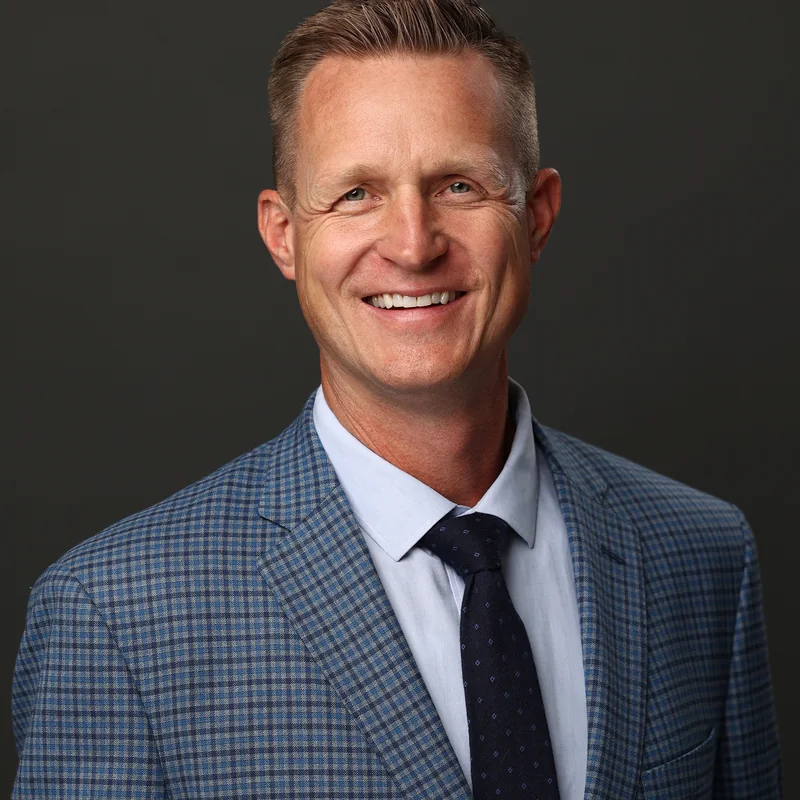
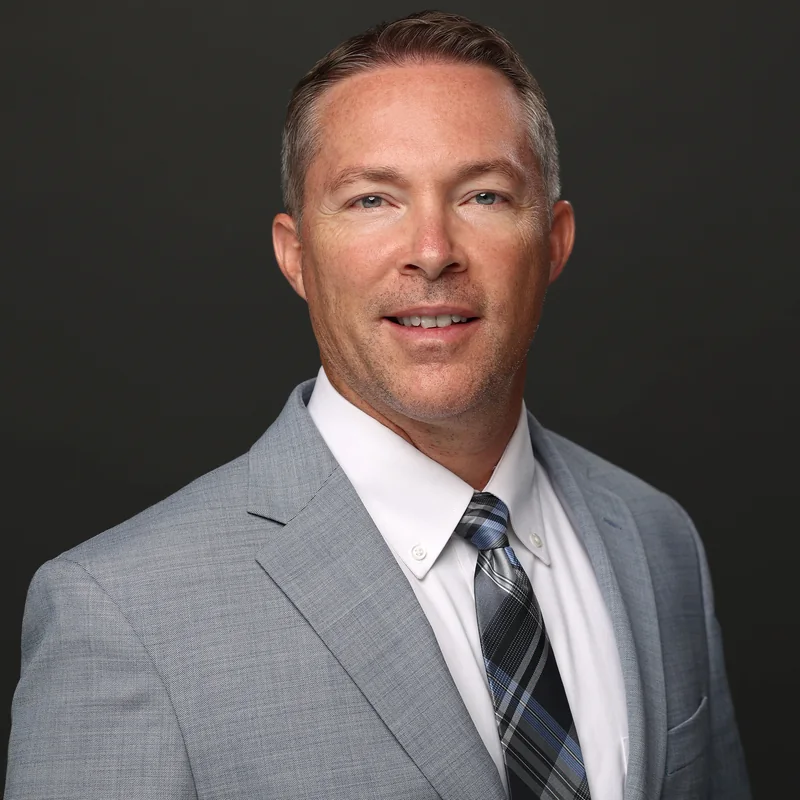
J. Ryan Taylor, MD, Shoulder and Sports Medicine surgeon at Ridgeline Orthopedic Specialists
Dr. TaylorShoulder and Sports Medicine
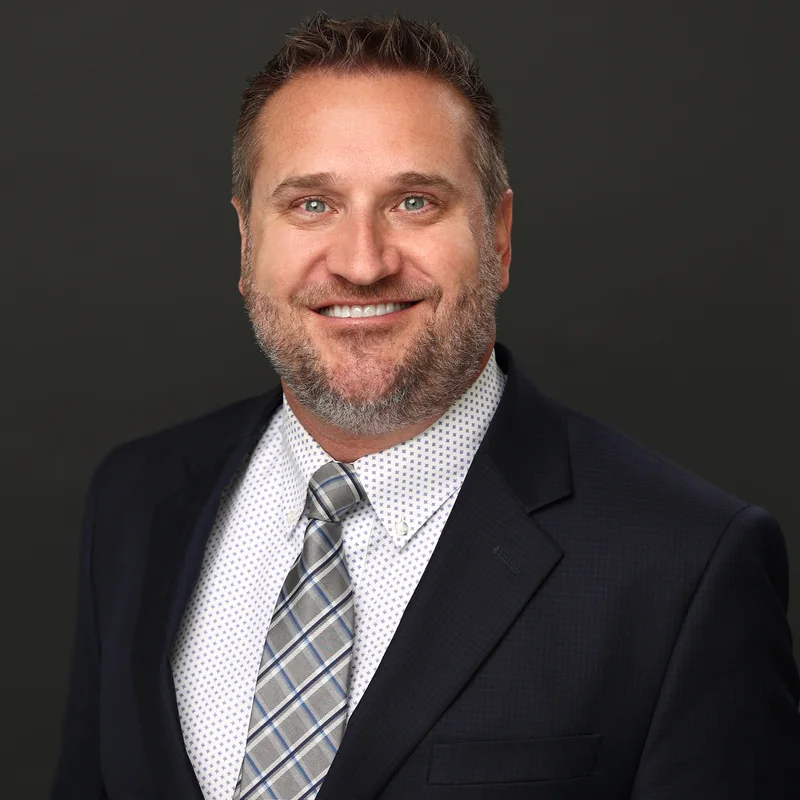
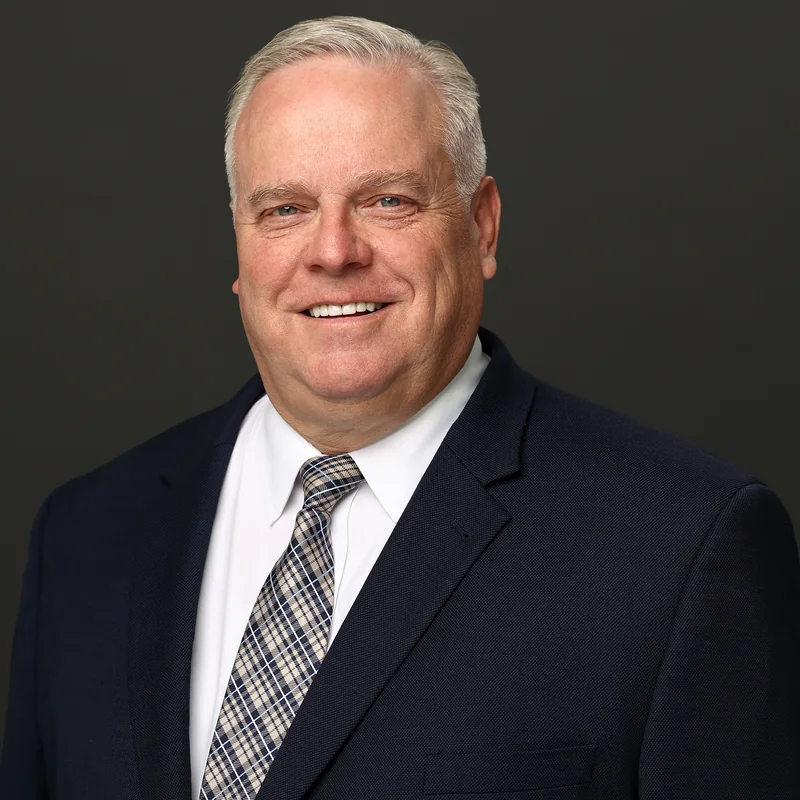
Kevin Christensen, MD, Knee, Shoulder and Sports Medicine surgeon at Ridgeline Orthopedic Specialists
Dr. ChristensenKnee, Shoulder and Sports Medicine
Michael Carlson, MD, Shoulder and Sports Medicine surgeon at Ridgeline Orthopedic Specialists
Dr. CarlsonShoulder and Sports Medicine
Jeffrey Wallentine, MD, Joint Replacement surgeon at Ridgeline Orthopedic Specialists
Dr. WallentineJoint Replacement
Rotator Cuff Repair

Who It Helps

Repair is for full-thickness tears, tears after a specific injury in active patients, and partial tears that still hurt after a real course of physical therapy and an injection.Many partial and degenerative tears never need surgery. Your surgeon will tell you which kind you have on the first visit, usually with an MRI in hand.
Rotator Cuff Repair

What to Expect

Outpatient surgery under general anesthesia with a nerve block, usually one to two hours.You go home the same day in a sling with your arm supported.The nerve block keeps the shoulder numb for twelve to twenty-four hours. Pain is most noticeable on days two and three and steadily improves.In Utah Valley we repair a lot of cuffs torn on ladders, in ski falls and in the gym; most patients are back on the trail by the next season. Dr. Taylor, Dr. Christensen, Dr. Carlson and Dr. Wallentine operate at Utah Valley Hospital and American Fork Hospital.
Rotator Cuff Repair

Recovery Timeline

The sling stays on for about six weeks to protect the healing tendon, with gentle guided motion starting early. Strengthening begins around twelve weeks.
Most patients return to desk work within one to two weeks, driving once out of the sling, and full overhead activity or sport at four to six months. Tendon healing to bone is what sets the pace.
Milestones
Days 1 to 3Block fades, ice and rest
Week 1 to 2Desk work, sling on
Week 6Sling off, guided motion
Month 4 to 6Overhead sport
Rotator Cuff Repair

Risks and Considerations

Stiffness is the most common issue and is why early guided motion matters.Re-tear risk rises with tear size, tendon quality and age, and your surgeon will discuss your specific odds.Infection, nerve injury and blood clots are uncommon. Smoking and uncontrolled diabetes measurably reduce healing and we address both before surgery.
Rotator Cuff Repair

Your Surgeons

Dr. Taylor, Dr. Christensen, Dr. Carlson and Dr. Wallentine perform this procedure at Surgery Partners Provo, Spanish Fork Hospital, Central Utah Surgical Center, Timpanogos Regional Hospital, Mountain View Hospital and Intermountain Health Surgery Center Saratoga Springs.
Dr. Taylor, MD
Dual fellowship trained in sports medicine and in shoulder and elbow surgery. Former Division I football player.
Dr. Christensen, MD
Andrews Institute sports medicine fellowship under Dr. James Andrews. Board certified in orthopedic surgery and orthopedic sports medicine. Fluent in Spanish.
Dr. Carlson, MD
Arthroscopic surgery of the shoulder, elbow, knee, hip and ankle. Published sports medicine researcher. Fourteen years in practice.
Dr. Wallentine, MD
Thirty-four years in practice. Mako robotic-assisted hip and knee replacement. Stanford sports medicine fellowship. BYU athletics team surgeon.
ContactTalk toa real person.
Two clinics, one number to call or text. Same-day appointments for acute injuries whenever we can. The front desk will match you with the right surgeon.
Provo1055 N 300 W, Ste 104
Orem700 W 800 N, Ste 330