menuclose
Fracture and Trauma Care

Fracture Fixation (ORIF)

Open reduction and internal fixation: surgically realigning a displaced or unstable fracture and holding it with plates, screws, rods or pins so it heals in the right position.
Learn more
Fracture and Trauma Care

Hip Fracture Surgery

Urgent repair or replacement of a broken hip, with fixation for fractures that will heal and partial or total hip replacement for those that will not.
Learn more
Fracture and Trauma Care

Tibia Fracture Repair

Fixation of shin bone fractures, from the knee to the ankle, with a rod, plate and screws or a temporary frame, so the leg heals straight and bears weight again.
Learn more
Fracture and Trauma Care

Femur Fracture Repair

Fixation of thigh bone fractures with an intramedullary rod or plate and screws, from high-energy shaft fractures to fragility fractures around the hip and knee.
Learn more
ContactTalk toa real person.
Two clinics, one number to call or text. Same-day appointments for acute injuries whenever we can. The front desk will match you with the right surgeon.
Provo1055 N 300 W, Ste 104
Orem700 W 800 N, Ste 330
What it is

Hip Fracture Surgery

A hip fracture is a break at the top of the thigh bone, almost always from a fall in an older adult.
It is treated urgently because lying still is dangerous for the heart, lungs and skin.Fractures with good blood supply are fixed with screws, a plate or a rod. Fractures of the femoral neck in older adults are usually replaced, partially or totally, because replacement gets patients walking sooner.
Performed by
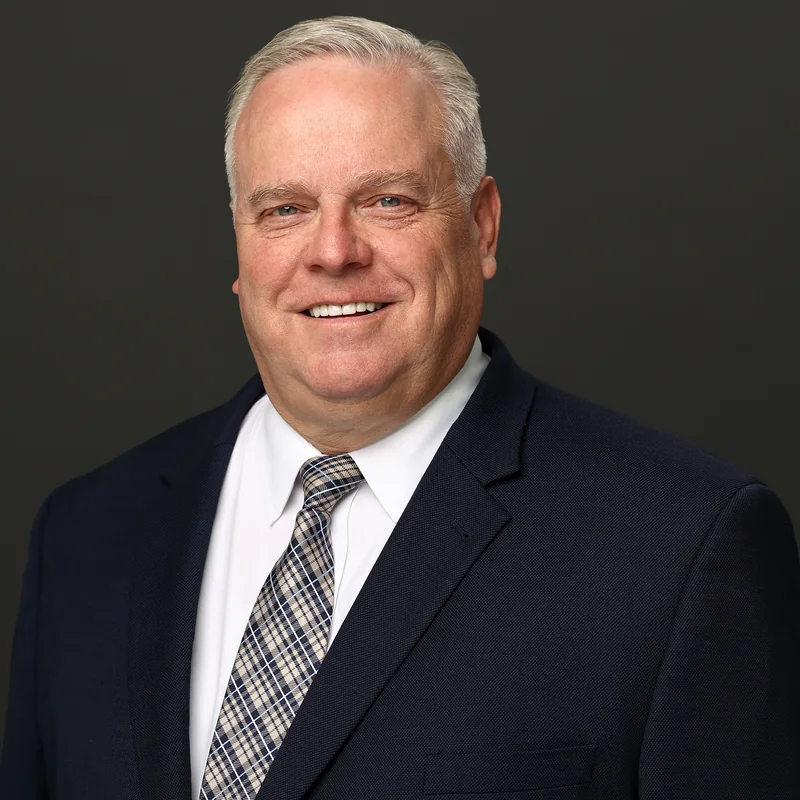
Jeffrey Wallentine, MD, Joint Replacement surgeon at Ridgeline Orthopedic Specialists
Dr. WallentineJoint Replacement
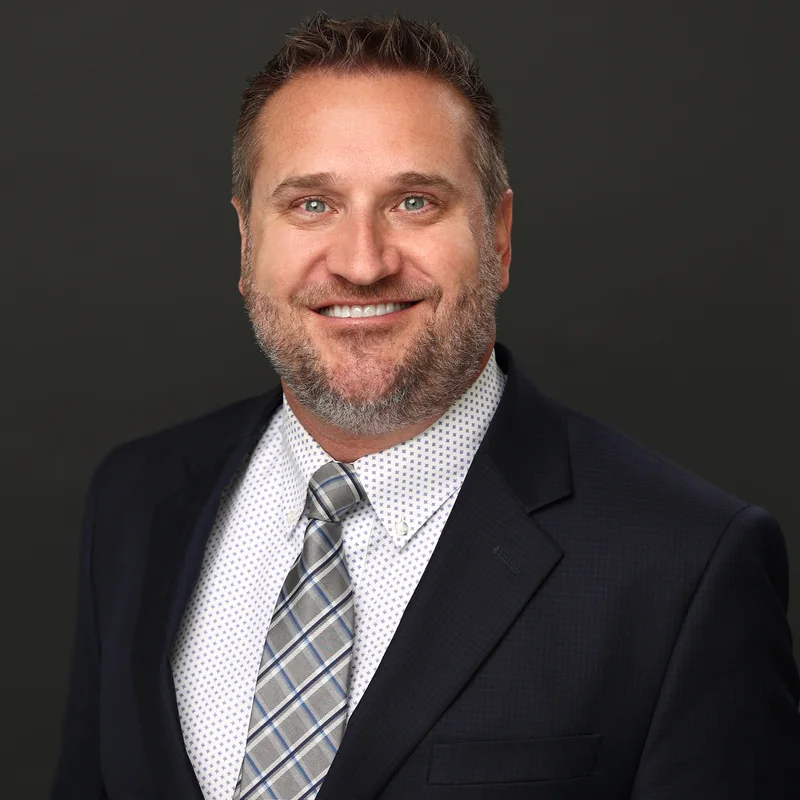
Kevin Christensen, MD, Knee, Shoulder and Sports Medicine surgeon at Ridgeline Orthopedic Specialists
Dr. ChristensenKnee, Shoulder and Sports Medicine
J. Ryan Taylor, MD, Shoulder and Sports Medicine surgeon at Ridgeline Orthopedic Specialists
Dr. TaylorShoulder and Sports Medicine
Hip Fracture Surgery

Who It Helps

Nearly every hip fracture needs surgery; the exception is a patient too frail for any operation, which is a decision made with the family and the hospital medicine team.The choice between fixation and replacement depends on the fracture pattern, bone quality, age and activity level, and is made from the hospital X-rays and CT.
Hip Fracture Surgery

What to Expect

Surgery is scheduled within a day or two of admission, under general or spinal anesthesia, usually one to two hours.Patients stand and walk with therapy within a day. Most go home or to a short rehabilitation stay within a few days, with blood thinners to prevent clots and a plan for bone health.Hip fractures admitted through Utah Valley, Timpanogos Regional, American Fork and Spanish Fork hospitals are treated within a day or two of arrival. Dr. Wallentine, Dr. Christensen and Dr. Taylor operate at Utah Valley Hospital and Mountain View Hospital.
Hip Fracture Surgery

Recovery Timeline

Weight bearing is usually allowed immediately after replacement and often after fixation.Walker, then cane, over the first weeks, with therapy focused on balance and safe walking.Most patients regain their prior walking by three to six months. Preventing the next fall and treating osteoporosis are part of the follow-up, because a second fracture is common without them.
Milestones
Day 1Standing with therapy
Week 1Walker, home or rehab
Week 6Cane, outdoor walking
Month 3 to 6Prior walking regained
Hip Fracture Surgery

Risks and Considerations

Blood clots, pneumonia, infection, delirium and heart or lung complications are the main risks in the first weeks, which is why surgery happens quickly and a medicine team shares the care.Fixation can fail to heal or the ball can lose its blood supply, which sometimes leads to later replacement. Replacements can dislocate or loosen over years.
Hip Fracture Surgery

Your Surgeons

Dr. Wallentine, Dr. Christensen and Dr. Taylor perform this procedure at Utah Valley Hospital, Mountain View Hospital, American Fork Hospital, Spanish Fork Hospital and Timpanogos Regional Hospital.
Dr. Wallentine, MD
Thirty-four years in practice. Mako robotic-assisted hip and knee replacement. Stanford sports medicine fellowship. BYU athletics team surgeon.
Dr. Christensen, MD
Andrews Institute sports medicine fellowship under Dr. James Andrews. Board certified in orthopedic surgery and orthopedic sports medicine. Fluent in Spanish.
Dr. Taylor, MD
Dual fellowship trained in sports medicine and in shoulder and elbow surgery. Former Division I football player.
ContactTalk toa real person.
Two clinics, one number to call or text. Same-day appointments for acute injuries whenever we can. The front desk will match you with the right surgeon.
Provo1055 N 300 W, Ste 104
Orem700 W 800 N, Ste 330