menuclose
Procedures · Fracture and trauma

Fracture and Trauma Procedures

Four fracture procedures, from plate-and-screw fixation to hip fracture surgery, by surgeons who fix that bone every week.
Fracture Fixation (ORIF)
Realigns a broken bone and holds it with plates, screws or rods.
Hip Fracture Surgery
Fixes or replaces a broken hip so the patient stands again quickly.
Tibia Fracture Repair
Fixes a broken shin bone with a rod or plate so it heals straight.
Femur Fracture Repair
Fixes a broken thigh bone with a rod or plate within a day of injury.
Fracture and Trauma Care

Fracture Fixation (ORIF)

Open reduction and internal fixation: surgically realigning a displaced or unstable fracture and holding it with plates, screws, rods or pins so it heals in the right position.
Learn more
Fracture and Trauma Care

Hip Fracture Surgery

Urgent repair or replacement of a broken hip, with fixation for fractures that will heal and partial or total hip replacement for those that will not.
Learn more
Fracture and Trauma Care

Tibia Fracture Repair

Fixation of shin bone fractures, from the knee to the ankle, with a rod, plate and screws or a temporary frame, so the leg heals straight and bears weight again.
Learn more
Fracture and Trauma Care

Femur Fracture Repair

Fixation of thigh bone fractures with an intramedullary rod or plate and screws, from high-energy shaft fractures to fragility fractures around the hip and knee.
Learn more
ContactTalk toa real person.
Two clinics, one number to call or text. Same-day appointments for acute injuries whenever we can. The front desk will match you with the right surgeon.
Provo1055 N 300 W, Ste 104
Orem700 W 800 N, Ste 330
What it is

Fracture Fixation (ORIF)

Open reduction and internal fixation means opening the fracture.
It is used for fractures that are displaced, unstable, involve a joint surface or are unlikely to heal in a cast. Bone grafting or additional procedures support healing when needed.
Performed by
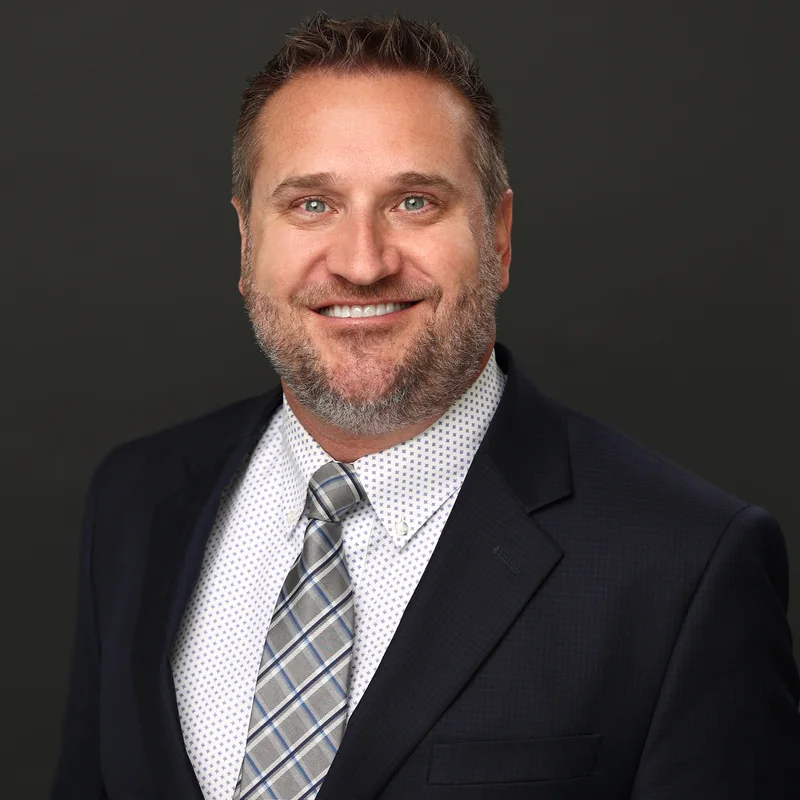
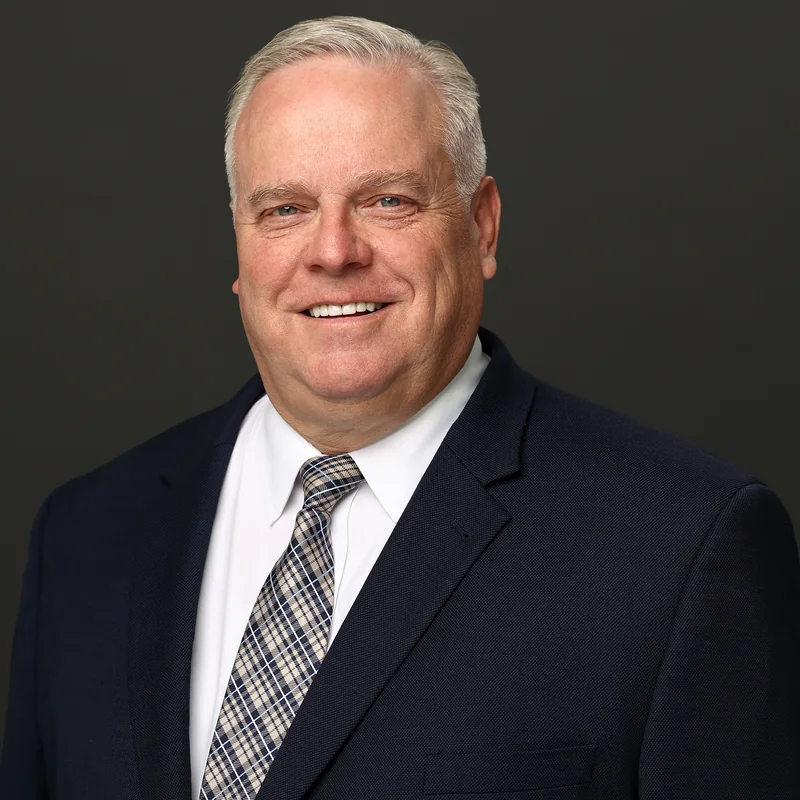
Kevin Christensen, MD, Knee, Shoulder and Sports Medicine surgeon at Ridgeline Orthopedic Specialists
Dr. ChristensenKnee, Shoulder and Sports Medicine
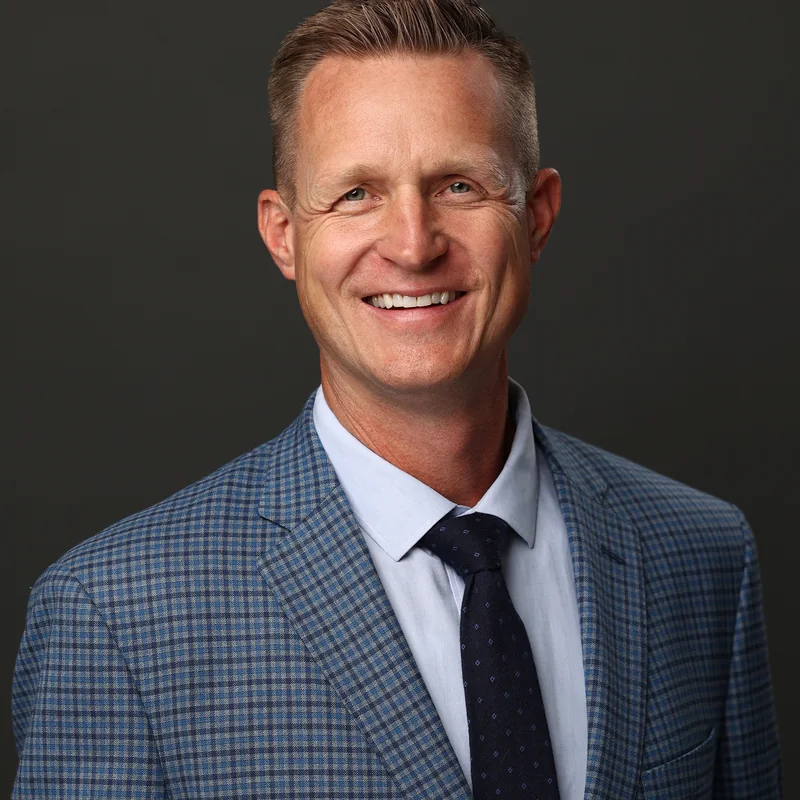
J. Ryan Taylor, MD, Shoulder and Sports Medicine surgeon at Ridgeline Orthopedic Specialists
Dr. TaylorShoulder and Sports Medicine
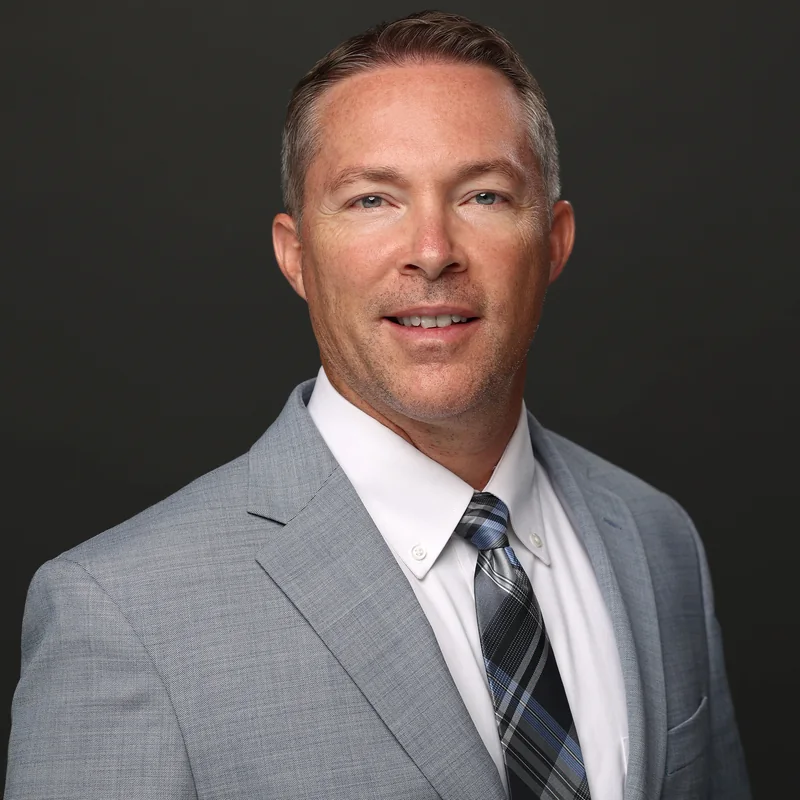
Michael Carlson, MD, Shoulder and Sports Medicine surgeon at Ridgeline Orthopedic Specialists
Dr. CarlsonShoulder and Sports Medicine
Jeffrey Wallentine, MD, Joint Replacement surgeon at Ridgeline Orthopedic Specialists
Dr. WallentineJoint Replacement
Fracture Fixation (ORIF)

Who It Helps

Many fractures heal in a cast, splint or brace.Fixation is recommended when alignment and stability matter for healing, for preserving joint function, and for reducing long-term complications.Every Ridgeline surgeon fixes fractures in their region, from fingers and wrists to shoulders, hips, legs and ankles, so a fracture is matched to the surgeon who repairs that bone every week.
Fracture Fixation (ORIF)

What to Expect

Surgery under general or regional anesthesia, typically one to three hours depending on the bone and the complexity of the fracture.Through an incision near the injury your surgeon realigns the fragments and secures them. Many patients go home the same day; complex injuries may need a short stay. A splint, brace or sling protects the repair early.Fractures reach us from emergency departments across Utah County; most that need fixation are scheduled within one to two weeks at the hospital that is fastest for you. All eight Ridgeline surgeons operate at Utah Valley Hospital and American Fork Hospital.
Fracture Fixation (ORIF)

Recovery Timeline

Two weeks protecting the repair while swelling settles and the incision heals, with immobilization set by the fracture location.Weeks two to six begin guided motion and rehabilitation, often with lifting or weight-bearing limits.
By six to twelve weeks most fractures show healing on X-ray and activity, strength and weight bearing increase. Routine activity returns over months three to six; complex or joint fractures may take six to twelve months for heavy work or sport.
Milestones
Week 0 to 2Protect, incision heals
Week 2 to 6Guided motion begins
Week 6 to 12X-rays show healing
Month 3 to 6Routine activity
Fracture Fixation (ORIF)

Risks and Considerations

Infection, bleeding, blood clots, stiffness, nerve or blood vessel injury, hardware irritation, delayed healing and nonunion are the main risks.Fractures through a joint surface raise the long-term risk of arthritis even with perfect alignment. Some patients later need hardware removal or treatment of a healing complication. Most recover good function with rehabilitation.
Fracture Fixation (ORIF)

Your Surgeons

All eight Ridgeline surgeons perform fracture fixation at Surgery Partners Provo, Spanish Fork Hospital, Central Utah Surgical Center, Timpanogos Regional Hospital, Mountain View Hospital, Utah Valley Hospital, Orem Community Hospital and Intermountain Health Surgery Center Saratoga Springs.
Dr. Christensen, MD
Andrews Institute sports medicine fellowship under Dr. James Andrews. Board certified in orthopedic surgery and orthopedic sports medicine. Fluent in Spanish.
Dr. Taylor, MD
Dual fellowship trained in sports medicine and in shoulder and elbow surgery. Former Division I football player.
Dr. Carlson, MD
Arthroscopic surgery of the shoulder, elbow, knee, hip and ankle. Published sports medicine researcher. Fourteen years in practice.
Dr. Wallentine, MD
Thirty-four years in practice. Mako robotic-assisted hip and knee replacement. Stanford sports medicine fellowship. BYU athletics team surgeon.
Fracture Fixation (ORIF)

Your Surgeons, Continued

Dr. Johnson, MD
Weill Cornell graduate, hand fellowship at Allegheny General. Twenty-one years in practice and seventeen as a collegiate team physician.
Dr. Frazier, DO
Fellowship trained in hand and upper extremity surgery at the University of Pittsburgh. Seventeen years in practice. Fluent in Spanish.
Dr. Peterson, DO
Hand surgery fellowship at UMass Chan. Office-based, wide-awake carpal tunnel release. Fifteen years in practice. Speaks German.
Dr. Hoopes, MD
Fellowship trained in foot and ankle surgery at the University of Washington and Harborview Medical Center. Twelve years in practice.
ContactTalk toa real person.
Two clinics, one number to call or text. Same-day appointments for acute injuries whenever we can. The front desk will match you with the right surgeon.
Provo1055 N 300 W, Ste 104
Orem700 W 800 N, Ste 330