ContactTalk toa real person.Two clinics, one number to call or text. Same-day appointments for acute injuries whenever we can. The front desk will match you with the right surgeon.
The ball and socket are capped in smooth cartilage.
A dislocation can shear a piece off, a fall can crack it, and years of instability wear it. Loose fragments catch, and bare bone eventually becomes arthritis.Cartilage injuries sit between a sports injury and arthritis, and are treated with both in mind.
Deep pain with use, catching or grinding with rotation, and swelling after activity.A history of dislocation or a hard fall. Stiffness that is new.
Locking suggests a loose fragment.
Common signs
Deep pain with use
Catching or grinding
Swelling after activity
Stiffness that is new
See us sooner if
Locking
Repeated dislocations
Shoulder Cartilage Injury
Causes
Dislocations, falls, fractures into the joint, repeated instability, and long-standing rotator cuff tears that let the ball ride high.Some patients develop focal cartilage wear without a clear injury.The younger the patient at the first dislocation, the more cartilage is at risk over time.
Shoulder Cartilage Injury
How We Diagnose It
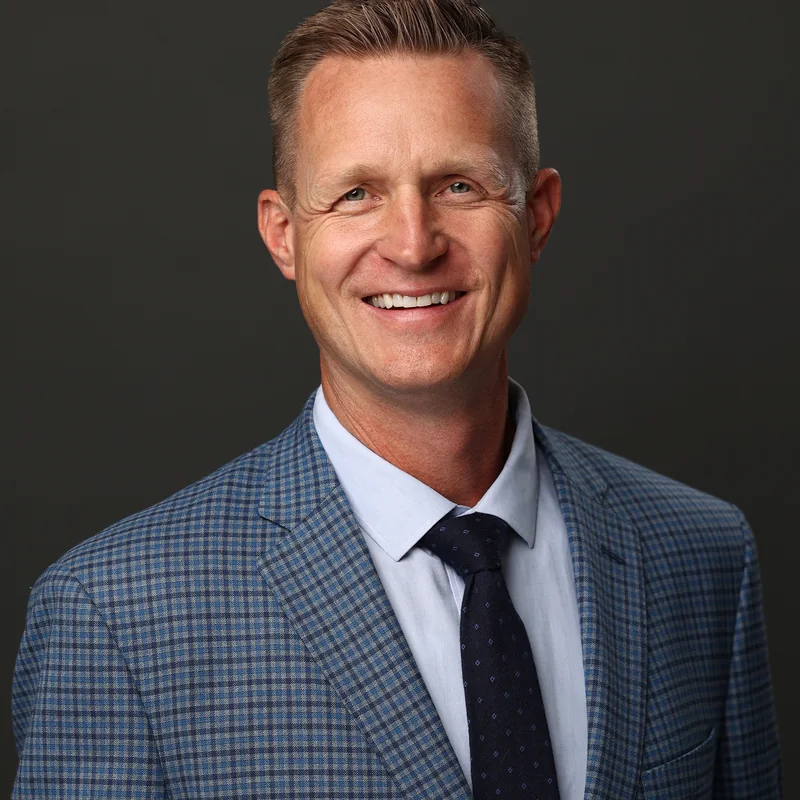
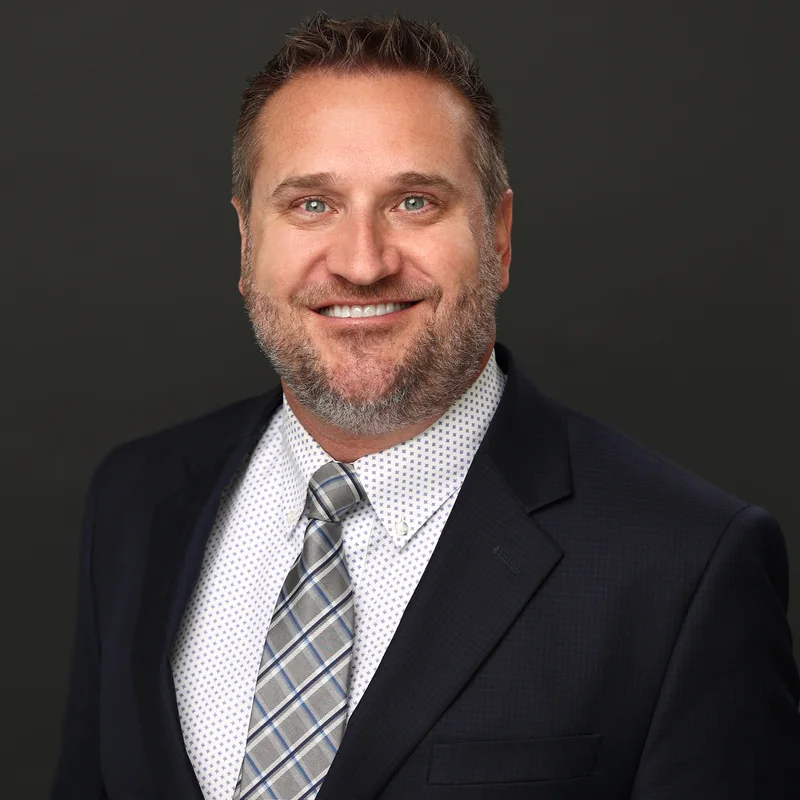
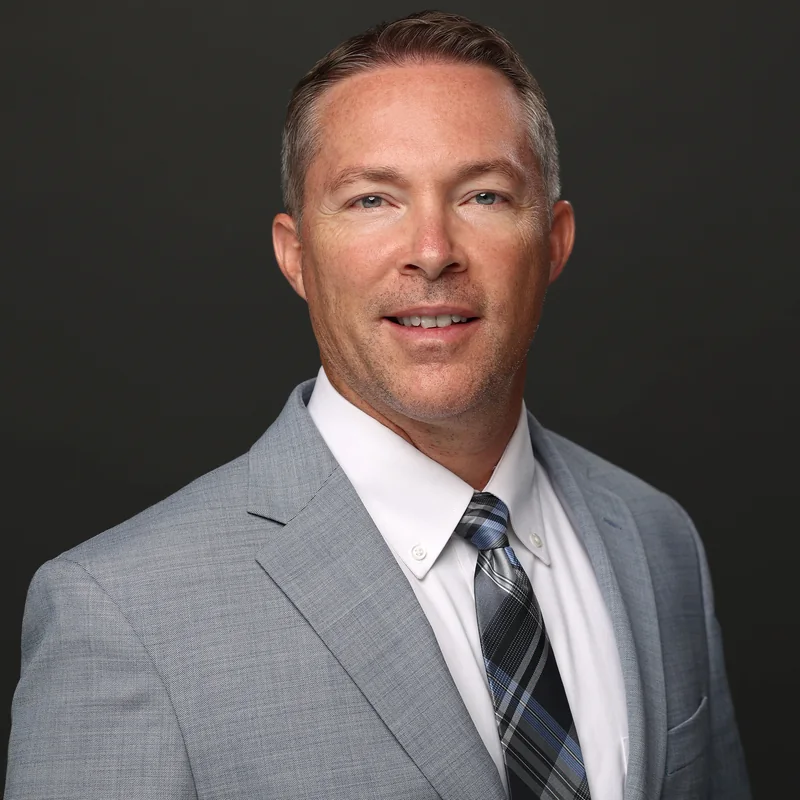
X-rays show established wear but miss early cartilage damage.MRI, sometimes with contrast, shows cartilage defects, loose bodies and the labrum. Arthroscopy is the definitive look.Grading the defect decides the plan.Usually follows a dislocation on the slopes or the mat; MRI is arranged locally. Dr. Taylor, Dr. Christensen and Dr. Carlson operate at Utah Valley Hospital and American Fork Hospital.
Shoulder Cartilage Injury
Treatment Options
Activity changes, physical therapy, anti-inflammatories, and injections including PRP help many patients for years.
Arthroscopic debridement removes loose fragments and smooths unstable edges.Focal defects in younger patients may be treated with cartilage procedures. Widespread loss is treated as arthritis, with replacement when pain limits life.
Andrews Institute sports medicine fellowship under Dr. James Andrews. Board certified in orthopedic surgery and orthopedic sports medicine. Fluent in Spanish.
ContactTalk toa real person.Two clinics, one number to call or text. Same-day appointments for acute injuries whenever we can. The front desk will match you with the right surgeon.